Introduction
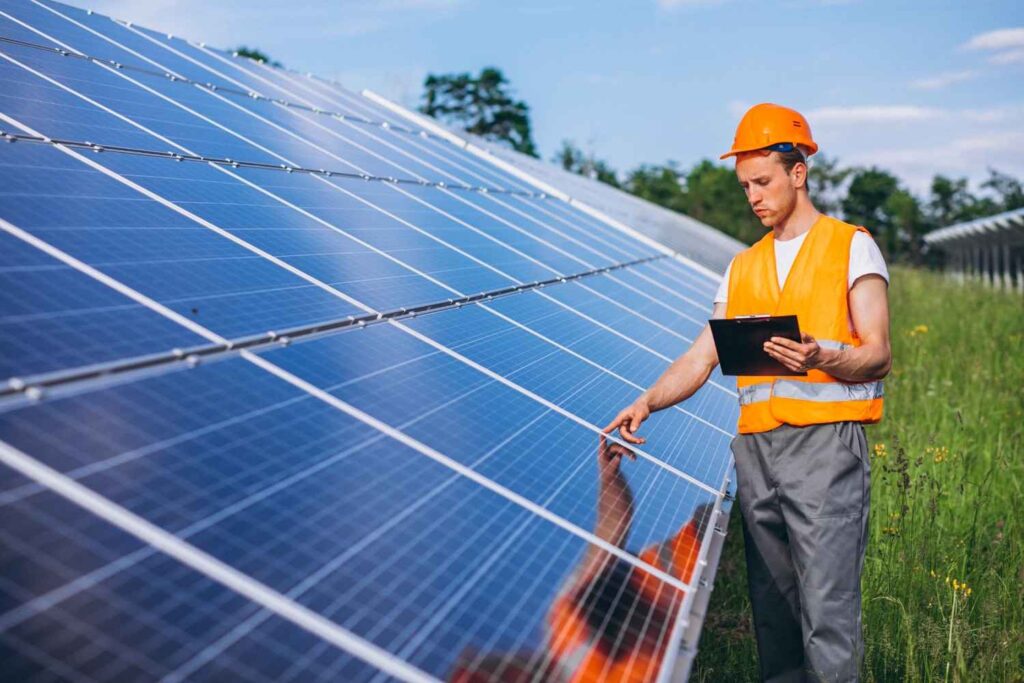
The solar panel converts sunlight into sustainable electricity. Installing a solar panel involves selecting a suitable place, mounting panels and connecting them to the inverter and power supply of your home.
Understanding electrical risks while installing solar panels and considering professional help are important to avoid any accident. This blog will help you to understand the process of solar panel installation, what it costs and how you can maintain it after installation.
What Do You Need Before Installing a Solar Panel?
You should check your roof condition, inspect your home electrical system and review legal permissions before installing a solar panel. Understanding these requirements will help you with an easy installation.
Roof Suitability
Check the space availability on the roof and identify areas with no shade for maximum output. Ignoring the shady areas will help you make the most out of your investment.
Electrical Needs
Analyse the total electricity consumption of your home, and how it will increase in the near future to choose the right system size.
Right Solar Panels
Choose the right type and size of solar panels for better and maximum efficiency according to the UK’s weather conditions.
Right Mounting System
Identify the most suitable system according to the roof structure, depending on a pitched, flat or open land roof.
Supporting Components
Integrate the right inverter and power supplies to ensure efficient and maximum output without any breakdowns.
Planning permission
Installing solar panels is considered a permitted development in a home, but some important requirements must be followed before installation. You can check these rules, which were updated on the UK planning permission portal on 27th August 2026.
What are the Different Types of Solar Panels?
There are different types of solar panels used in UK homes depending on their efficiency and performance. You can choose the right type based on your requirements and budget. Three important types of solar panels include:
- Monocrystalline Panels: Made from single silicon crystals and are the most efficient
- Polycrystalline Panels: Made from smaller silicon crystals and are less efficient
- Bifacial Solar Panels: Ideal for ground-mounted and flat setups
Step-by-Step Process of Installing a Solar System at Home
Installing a solar panel includes setting up the place, attaching rails and adjusting panels while connecting them to the inverter and power system. The step-by-step process of solar panel installation includes:
Fitting the Mounting System to the Roof
The roof type, condition, size and shade coverage area are determined to fit the right mounting system in the right place. These rails and brackets are weather-resistant and discreet, and hold the weight of the solar system.
Placing the Panels
Securely place all the panels on the mounting rails while adjusting the angle to face the sunlight for effective energy consumption.
Wiring and Connecting
Connect the panels to the inverter and power supply to ensure safe and efficient supply of power to the home.
Testing and Safety Checks
Once all the connections are secured, safety checks are performed, and the whole system is tested to ensure its safe and efficient operation.
Grid Connection and Battery Integration
After installation, the system needs to be connected to the grid through the local distribution network operator to export the extra energy back to the grid. A battery is also integrated to store extra power for later use.
How Much Does It Cost to Install a Solar Panel at Home?
The cost of installing solar panels varies based on system type, its size, roof condition and installation complexity. Understanding these factors can help you plan your budget effectively before installing solar panels. Other factors that can influence the cost of the solar panel installation may include.
- The amount of energy usage
- Panel type and size of the array
- Regional schemes
- Suitability of the property
- Geographical location
- Adding a battery
How Can You Maintain a Solar Panel After Installation?
Solar panels generally require less maintenance. Dust, dirt and weather challenges can reduce their performance, but with little care and maintenance, you can use them efficiently for a long period of time. As they do not require regular cleaning, some important maintenance tips are:
- Do regular visual checks for dirt or dust
- Monitor their power conversion efficiency
- Clean them only when performance reduces
- Consider professional help when necessary
Frequently Asked Questions About Solar Panel Installation
Can I install a solar panel myself?
Yes, you can install a solar panel yourself, but you must follow some legal and electrical safety requirements.
Can I plug a solar panel into an outlet?
You can plug a solar panel into a standard wall outlet only if you are using a certified plug-in solar system equipped with a microinverter.
Will a 400W solar panel run a fridge?
Yes, a 400W solar panel generates enough daily energy to run a fridge.
Can I use my AC on solar power?
Yes, a solar system can run an AC if it is provided with a proper solar array, inverter and storage capacity.
Conclusion
A solar panel installation involves choosing a suitable place, adjusting the mounting system, placing panels at the right angle, and connecting them with the inverter and the home’s electricity. Checking planning permission and meeting electrical safety standards are important before solar panel installation.
Every step from selecting the right type of solar panel to connecting with the power system is essential during installation. Registering the solar system with the grid is important to export the extra energy. If you are planning to install a solar panel at home, you can contact Solar Impression LTD for professional and reliable installation.